Brick & Stone Masonry in Cedar Rapids
Our masonry services in Cedar Rapids can’t make your place last forever, but we can help it look great for a very, very long time. We install, fix, and restore brick and stone to add lasting beauty to your property.
Brick & Stone Install Services
Expert Brick, Block, and Stone Installation in Cedar Rapids, Iowa
When you’re considering a masonry project for your Cedar Rapids property, it could be a stunning natural stone frontage for your new home in Marion, strong Concrete Masonry Units (CMUs) foundation for a commercial building downtown, or a classic brick exterior in the Wellington Heights neighborhood, understanding your material options makes all the difference.
At Five Seasons Brick and Stone, we focus on both traditional full-depth masonry and modern veneer applications, bringing expertise to every installation.
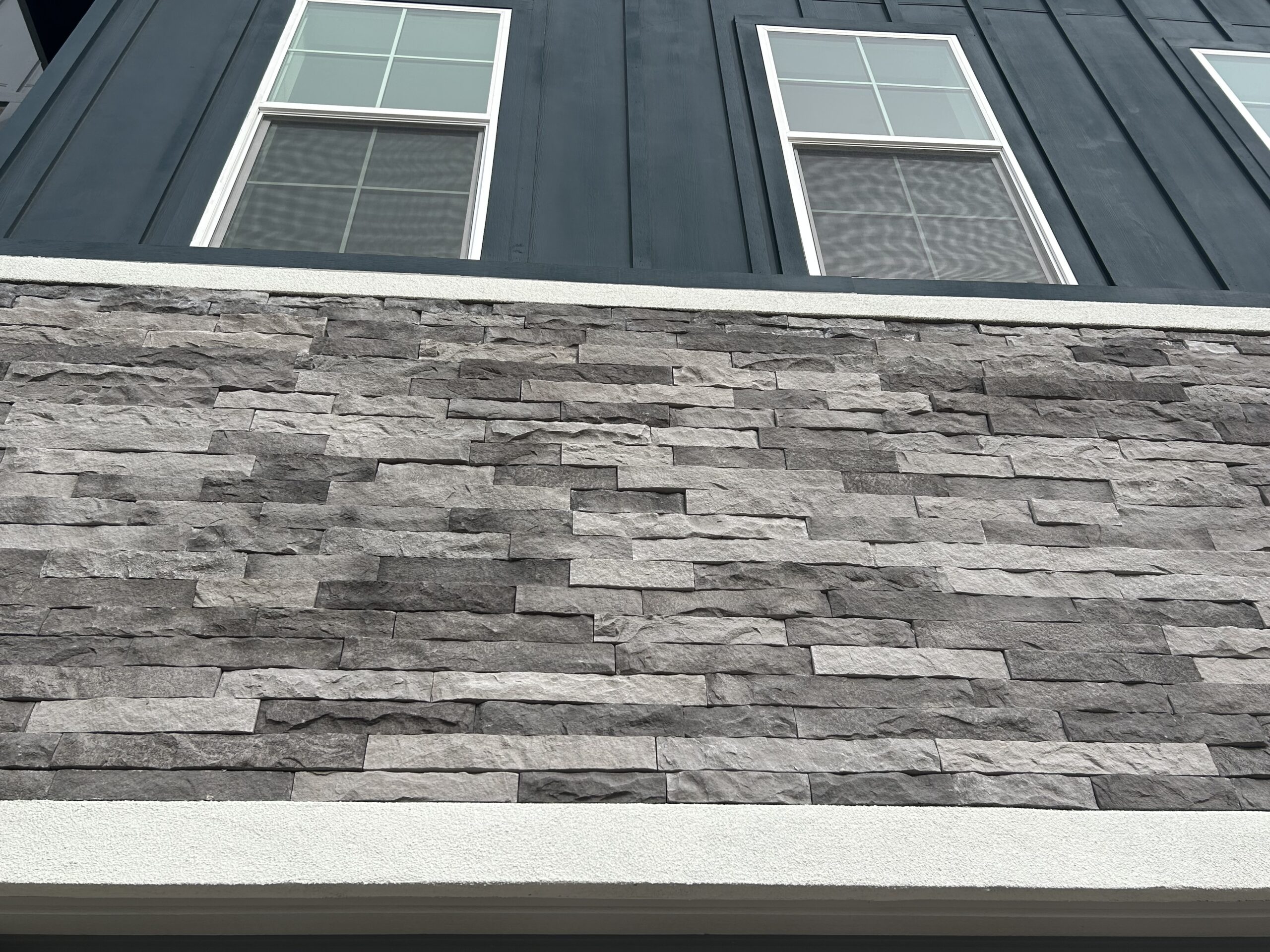
From the historic brick buildings lining First Avenue to contemporary stone installations throughout Linn County, quality masonry work defines the character and longevity of our community’s structures. Let’s explore how professional installation can transform your property while ensuring decades of performance in Iowa’s demanding climate.
Understanding Your Masonry Options: Full-Depth vs. Veneer Construction
Solid Brick Construction: Built to Last Centuries
Full-depth brick construction, sometimes called solid brick or double brick, represents traditional masonry at its finest. This method uses multiple layers (wythes) of brick that actually support the building’s structural load. You’ll recognize this construction in many Cedar Rapids homes built before 1960, particularly throughout the historic 2nd and 3rd Avenue District.
Solid brick walls typically consist of two or three wythes connected by header bricks, those smaller-looking bricks you see every sixth row that are actually full-size bricks turned vertical to bridge the layers. This configuration creates walls nine inches thick or more with exceptional thermal mass, structural integrity, and century-spanning strength. Research from Leeds Metropolitan University confirms that properly maintained clay brick structures can endure 100 to 650 years, that’s why so many Victorian-era homes near Coe College still stand strong today.
However, solid brick must be installed during initial construction as it forms the structural foundation itself. Installation requires skilled masons who understand load calculations, proper mortar selection, and frost-depth requirements. In Cedar Rapids, where our frost line sits at 42 inches, proper footing depth becomes critical for preventing settling and cracking.
Custom Brick & Stone Veneer
Modern Efficiency Meets that Classic Look
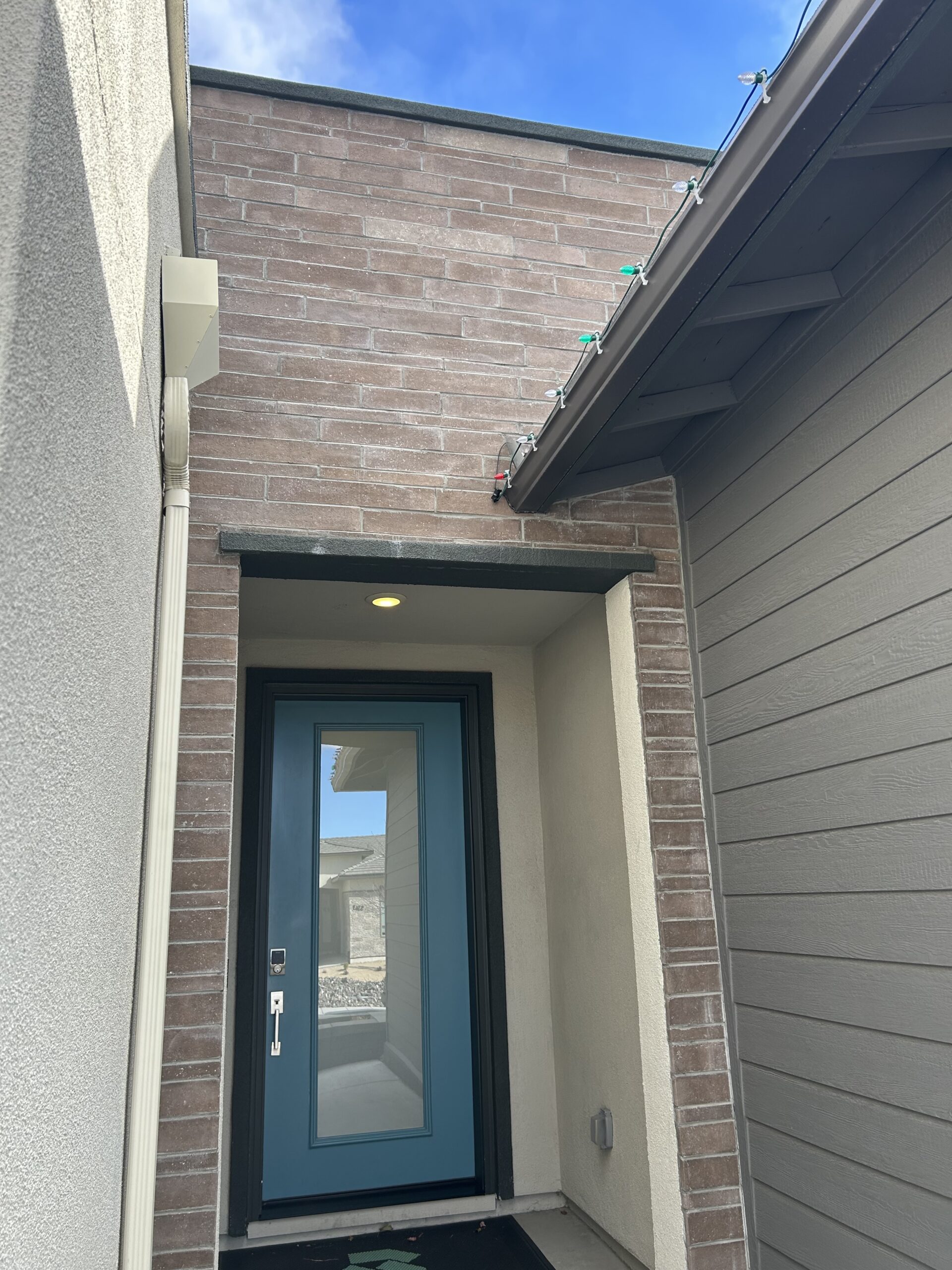
Brick veneer transformed masonry construction in the mid-20th century, offering the appearance and weather protection of solid brick at a much lower cost. Veneer consists of a single wythe of full-size bricks installed adjacent to a structural wall system, typically wood or steel framing. The structural support comes from the framing, not the brick, which serves primarily as weather protection and basically makes it look better.
The key unique feature? Veneer installations include an air cavity between the brick and the building structure, allowing space for insulation and moisture drainage. You’ll notice weep holes, small openings drilled about every 32 inches along the foundation level, that allow trapped moisture to escape. This design proves particularly valuable in our climate, where temperature fluctuations and moisture penetration challenge building year-round.
Brick veneer installation offers amazing flexibility. Unlike solid brick that requires integration during construction, veneer can be added to existing structures at any time. This makes it ideal for renovations, additions, or property updates. The cost difference is substantial: veneer typically runs $4 to $10 per square foot installed, while solid brick construction can cost three times that amount when factoring materials, special labor, and structural requirements.
Concrete Block Installation: The Foundation of Strength
Understanding CMU Construction
CMUs, concrete blocks, or cinder blocks, form the structural backbone of countless buildings in Cedar Rapids. These units offer exceptional compressive strength, fire resistance, and longevity.
Modern CMUs bear little resemblance to the inconsistent cinder blocks of the early 1900s. Today’s units are precisely manufactured from Portland cement, aggregates, and water, meeting stringent ASTM C90 standards for strength and durability. When properly installed and maintained, CMU walls can last over 100 years, making them one of the most cost-effective building materials available.
We work with various CMU types depending on project requirements. Standard gray block provides economical structural performance for foundations, basement walls, and commercial building cores. Architectural block offers decorative finishes, split-face for textured appearance, ground-face for smooth contemporary looks, or scored varieties that imitate smaller masonry units. Lightweight CMUs, manufactured with expanded shale or slate aggregates, weigh less than standard units while maintaining comparable strength, improving installation speed and worker safety.
Professional Block Installation Techniques
Proper CMU installation requires precision and knowledge that separates professional masons from general contractors. The process begins with foundation preparation, excavating below frost depth and pouring concrete footings with a minimum psi compressive strength. In areas with expansive clay soils common throughout Cedar Rapids, proper soil assessment and footing design prevent future settling and cracking.
Wall construction follows strict standards. We bed the first course webs in mortar on the footing, ensuring complete contact and proper leveling. Each subsequent course receives full mortar coverage on horizontal and vertical face shells, with special attention to maintaining plumb. Vertical reinforcement, typically rebar placed every four feet on center, is positioned centrally within cores using positioners that maintain proper clearance from cell walls.
Bond beams provide horizontal reinforcement at specified intervals, using specially designed CMUs filled with grout and rebar. For commercial applications or tall walls, we incorporate horizontal joint reinforcement with anchoring systems between courses. Grouting procedures follow specific protocols as we avoid excessive mortar droppings in cores, form proper horizontal construction joints, and ensure adequate consolidation without segregation.
Temperature considerations matter significantly in Iowa. We don’t install CMUs when temperatures fall below 40°F without certain cold-weather protocols, and we protect fresh masonry from freeze-thaw damage during curing. This attention to environmental conditions separates quality installations from those that develop premature failures.
Natural Stone Masonry Company
Timeless Beauty, Lasting Performance
Full-Depth Stone Veneer Installation
Natural stone creates architectural statements that manufactured materials simply cannot match. Full-depth stone veneer, stones approximately 4 inches deep installed with mortar, provide authentic appearance and exceptional strength for both residential and commercial properties.
We work with premium Iowa limestone, imported granite, sandstone, and other natural materials selected for that gorgeous appearance and performance characteristics.
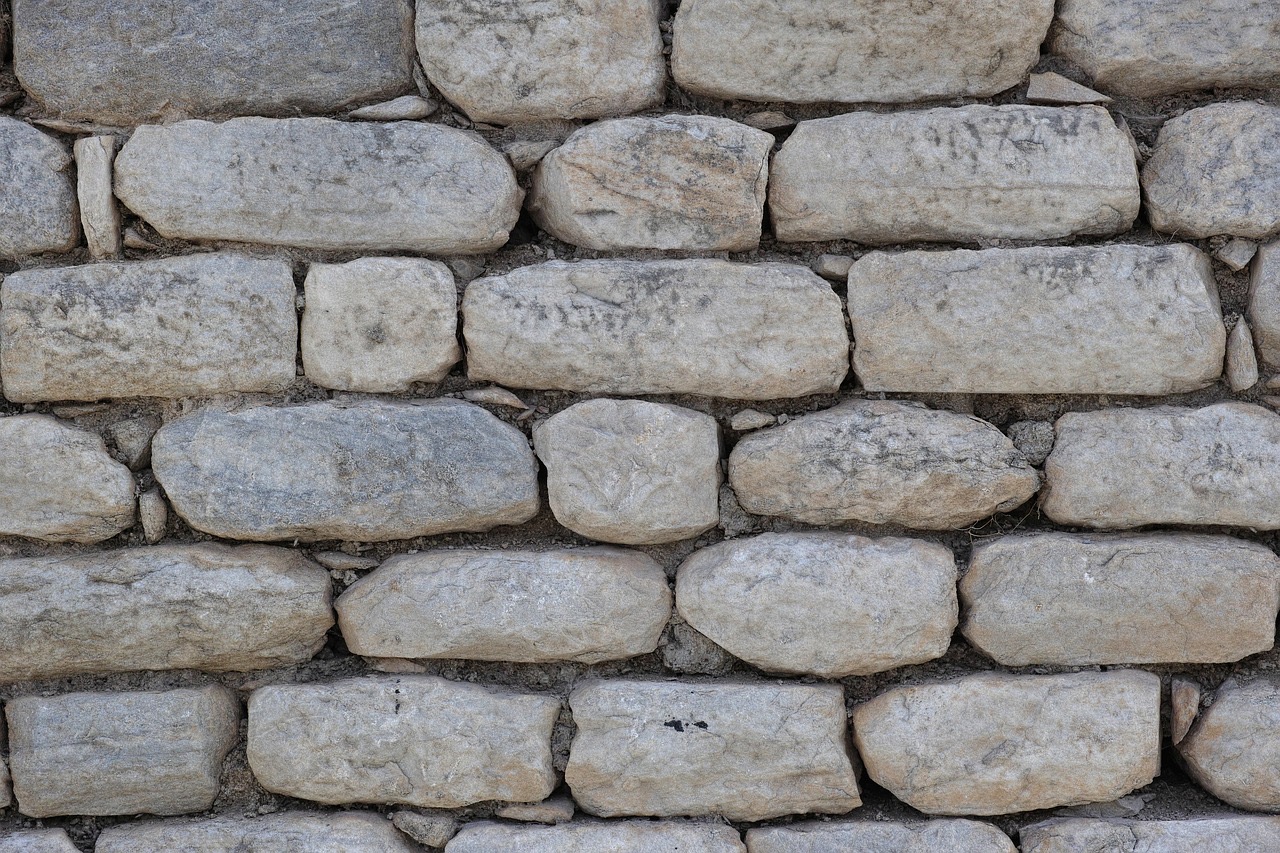
Each stone type offers unique advantages. Limestone provides classic Midwest charm with excellent workability, granite delivers unmatched hardness and weather resistance, and sandstone offers warm earth tones with moderate porosity. Proper material selection based on exposure, architectural style, and budget ensures optimal results.
Full-depth veneer requires substantial structural support, either a dedicated footing or a substantial foundation ledge capable of bearing the stone’s weight. We maintain air space between insulation layers and stone backing, install proper flashing at the foundation level, and incorporate weep systems for moisture management. Stone courses are laid with mortar joints, carefully maintaining level and plumb throughout the installation.
Thin Stone Veneer Applications
Thin stone veneer provides authentic stone appearance at reduced weight and cost. This material adheres directly to prepared surfaces rather than requiring structural support, making it ideal for interior features, exterior accents, and renovation projects where weight limitations exist.
Installation begins with proper substrate preparation. For wood framing, we apply weather-resistant barriers, expanded metal lath, and scratch coats before stone installation. Concrete or CMU surfaces often accept stone directly after proper cleaning and surface preparation. Each installation follows Building Stone Institute standards, ensuring moisture barriers, flashing, and drainage systems prevent water infiltration that could damage underlying structures.
Stone layout requires artistic skill combined with technical knowledge. We blend stones from multiple pallets throughout installation, creating balanced color and texture distribution. Proper joint sizing maintains visual appeal while preventing long, unbroken lines that draw unwanted attention. As work progresses, we keep stone faces clean, preventing mortar residue that dulls appearance and becomes difficult to remove once cured.
Why Professional Installation Matters in Cedar Rapids
Climate-Specific Expertise
Eastern Iowa’s climate punishes substandard masonry work. Our annual freeze-thaw cycles, temperatures regularly plummeting below zero in January, then climbing above 90°F by July, create expansion and contraction stresses that exploit installation weaknesses. Add our 35-inch average annual snowfall, spring rains that sometimes flood the Cedar River valley, and summer humidity, and you understand why professional installation techniques matter.
We account for these conditions in every project. Mortar mixes are formulated for Iowa’s climate, with proper lime content and additives that enhance freeze-thaw resistance. Expansion joints accommodate thermal movement in large installations. Flashing and weep systems prevent moisture accumulation that leads to spalling and deterioration. These details, often overlooked by inexperienced contractors, determine whether masonry lasts decades or fails within years.
Structural Integrity and Code Compliance
Proper masonry installation involves far more than stacking materials. Load calculations ensure adequate support for vertical and lateral forces. Reinforcement placement meets structural engineering requirements. Anchoring systems properly secure veneers to backup structures. All work complies with current building codes and, where applicable, Historic Preservation Commission requirements for designated landmarks.
Material Quality and Selection
Not all masonry materials perform equally in Iowa’s environment. We source brick from manufacturers whose products meet specific standards for freeze-thaw resistance. Our CMUs comply with specifications for strength and absorption. Natural stone comes from quarries with proven performance records in similar climates.
This attention to material selection, combined with proper installation techniques, ensures your investment performs as intended for generations. We’ve repaired countless failures caused by inexperienced contractors using inferior materials or improper methods, expensive lessons that proper initial installation easily prevents.
Expert Masonry Contractors in Cedar Rapids, IA
Contact us today to find out how our custom masonry work can make your property look awesome to match exactly what you want!
Contact Five Seasons Brick and Stone
When you contact us, you’ll speak with a professional who understands the craftsmanship behind quality brick, block, and stone work. We take the time to listen to your ideas, answer your questions, and understand exactly what you want to achieve.
If you’re planning new brick construction, structural block work, or custom stone features, we’ll help you choose the right materials and approach for your property. Every project is different, and we make sure the final result fits both your style and your budget.
We explain the process clearly so there are no surprises. From proper site preparation to careful installation, we focus on precision, durability, and long-term performance. We use proven masonry techniques and quality materials designed to handle Iowa’s changing seasons.
We treat every home and building with care and respect. We work efficiently, keep the job site clean, and aim for results that add real value and lasting strength to your property.
Before any work begins, we provide a free, no-obligation estimate so you know exactly what to expect. No pressure, no hidden costs, just honest information.
Contact us today to discuss your brick, block, or stone project and get dependable masonry work built to last.
Get a FREE Quote!
Common Brick & Stone Questions
In most cases, yes. We can install brick or stone veneer over wood siding, existing brick, concrete, or CMU surfaces with proper preparation. The existing structure must be sound and capable of supporting the added weight with appropriate anchoring systems. We evaluate your specific situation during consultation, identifying any structural modifications needed for safe, lasting installation.
Solid brick uses multiple layers (wythes) of brick that provide structural support for the building, the brick itself holds up the structure. Brick veneer is a single layer attached to a wood or steel frame structure, with the frame providing structural support and the brick serving as weather protection and looks. Veneer costs significantly less, provides better insulation potential, and can be added to existing buildings. Solid brick offers superior strength and thermal mass but must be integrated during initial construction.