Masonry Tuckpointing in Cedar Rapids
Five Seasons Brick and Stone provides tuckpointing services throughout Cedar Rapids and nearby areas. We repair failing mortar joints, restore structures, and improve appearance, helping masonry withstand Iowa’s harsh seasonal weather.
Professional Repointing Service
Expert Tuckpointing and Repointing Services in Cedar Rapids, Iowa
Walk through the 2nd and 3rd Avenue Historic District, Wellington Heights, or around Coe College, and you’ll notice something about the best-looking brick homes. Their mortar joints look crisp, tight, and well-maintained. These aren’t necessarily newer homes. Many are over 100 years old. The secret? Professional tuckpointing and repointing that preserves both structure and beauty.
At Five Seasons Brick and Stone, we’ve restored lots of brick chimneys and walls throughout Linn County. We know that mortar joints are the unsung heroes of masonry buildings, holding everything together while protecting against Iowa’s punishing weather. When those joints deteriorate, everything is at risk. Let’s explore how professional restoration protects your biggest investment.
Understanding the Difference
Many homeowners use these terms interchangeably, and even some contractors don’t know the actual difference. While both involve working with mortar joints, they serve different purposes and produce different results.
So What is Repointing?
Repointing is the structural repair process of removing damaged or deteriorated mortar and replacing it with fresh mortar that matches the original. The goal is purely functional, restoring structural integrity and preventing water infiltration that damages the masonry. Mortar joints can show signs of wear in as little as 20 years, and when they fail, your entire brick structure becomes vulnerable.
Think of mortar as the sacrificial protector of your bricks. It’s designed to be weaker than the brick so that when stress occurs, like from settling, temperature changes, or moisture, the mortar cracks instead of the expensive, irreplaceable bricks. This is intentional engineering. When mortar deteriorates beyond a certain point, it can no longer do this job, and that’s when repointing becomes necessary.
The process involves grinding or chiseling out old mortar to a proper depth (atypically round an inch), cleaning joints thoroughly, and packing in new mortar that matches the original in strength and composition. The result looks natural, following the slightly irregular edges of handmade bricks, and provides decades of renewed protection.
So What is Tuckpointing?
Tuckpointing was invented in the late eighteenth century in England and was developed to mimic the appearance of rubbed brick, a more expensive building material. The technique uses two different colors of mortar to create a visual effect that makes joints appear extremely fine and precise.
Here’s how it works: first, we apply mortar colored to match your brick, filling joints flush with the brick faces. Then we apply a thin ribbon of contrasting mortar, usually white or light cream, down the center of each joint. This creates the illusion that the joints are razor-thin lines running between solid expanses of brick. Unless you look closely, you can’t tell where brick ends and mortar begins.
Tuckpointing combines the structural benefits of repointing with enhanced appearance. The result is a crisp, refined look that makes even older buildings seem like they were meticulously maintained. It’s particularly popular for historic properties, upper scale homes, and commercial buildings where appearance matters as much as function.
Cedar Rapids Mortar Restoration
How Iowa’s Climate Destroys Mortar
Cedar Rapids presents unique challenges for masonry. Our average annual temperature swing from below-zero January lows to 90-degree July highs creates constant expansion and contraction stress. Add our 35-inch average annual snowfall and spring rains that sometimes flood the Cedar River valley, and you understand why mortar joints deteriorate faster here than in milder climates.
The real destroyer is the freeze-thaw cycle. Water penetrates small cracks in deteriorated mortar, then freezes when temperatures drop. Water expands by approximately nine percent when it freezes, where that force is powerful enough to crack concrete and split bricks. As this cycle repeats many times each winter, small problems become disastrous failures.
Properly executed repointing work can last 50 years when done correctly. But rushed jobs using incorrect mortar types might fail within just a few years, costing you far more in the long run.
Signs Your Mortar Needs Attention
If the mortar has eroded deeper than twice the width of the joint, you should repoint. But several warning signs appear before damage reaches that critical point.
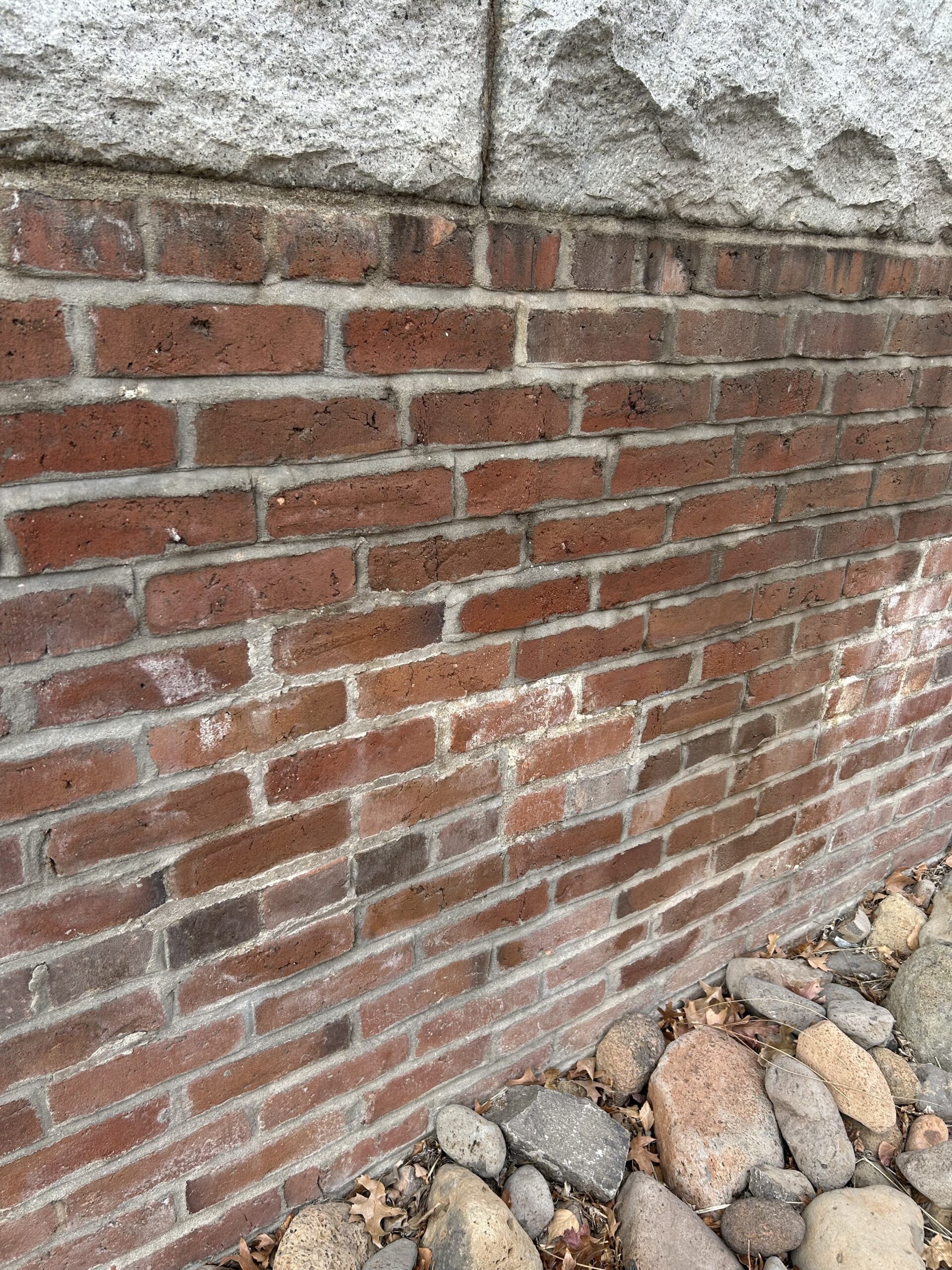
Crumbling or powdery mortar is the most obvious indicator. If you can easily scratch out pieces with a screwdriver or your fingernail, the mortar has lost its binding strength. Visible gaps between bricks and mortar mean joints are separating and no longer providing weather protection or structural support.
White, chalky deposits called efflorescence indicate water is penetrating through mortar joints, carrying dissolved salts to the surface. While efflorescence itself isn’t harmful, it signals moisture problems that will cause serious damage during freeze-thaw cycles.
Loose or shifting bricks mean mortar has deteriorated to the point where it’s no longer holding the structure together. This is a safety hazard requiring immediate attention. Water stains on interior walls near brick exteriors or chimneys indicate leaks through failed mortar joints.
If your chimney mortar looks significantly different from the rest of your home, maybe like multiple colors from previous repairs, it’s time for inclusive restoration. Patchwork repairs never look good and often indicate underlying problems throughout the structure.
The Professional Repointing Process
Assessment and Planning
Every project begins with thorough evaluation. We examine your entire structure, not just obvious problem areas. Often, deterioration patterns tell us about underlying issues like poor drainage, foundation settling, or previous repairs done incorrectly.
We test mortar hardness and composition to determine the original type used. This is critical because using mortar that’s too hard will damage bricks. Homes built before the 1930s typically use softer brick and require lime-based mortar, while homes built after the 1930s can use cement-based mortar. Getting this wrong causes brick faces to crack and spall off, which is expensive damage that proper mortar selection easily prevents.
We also identify matching requirements. For historic properties or visible fronts, color and texture matching ensures new work blends seamlessly with existing masonry. Sometimes this involves custom mortar mixing with specific sand colors and pigments.
Mortar Removal
Proper mortar removal requires special skills and tools. We grind out deteriorated mortar to the appropriate depth using angle grinders with diamond blades designed for masonry. The depth matters tremendously. Too shallow, and new mortar won’t bond properly. Too deep, and we risk damaging brick edges.
For delicate historic work or areas near fragile bricks, we use hand tools, like those old-school chisels and hammers, that provide better control. This is slower and more labor-intensive but prevents damage to irreplaceable period bricks.
After grinding, we thoroughly clean all joints using wire brushes, compressed air, or water to remove every particle of dust and debris. Even tiny amounts of dust prevent proper bonding between new mortar and old brick surfaces.
Mortar Mixing and Application
Mortar mixing is both science and art. We select the appropriate mortar type based on your building’s age and construction. Type N mortar (softer and more flexible) works for most residential applications and is essential for older buildings. Type S mortar (harder and stronger) suits commercial buildings and newer construction with hard bricks.
The mixing process requires precise water content. Too wet, and mortar will shrink excessively as it cures, creating gaps. Too dry, and it won’t bond properly or fill joints completely. We mix only what we can use within a time limit, ensuring optimal workability throughout application.
Application follows specific sequences. We fill horizontal joints (bed joints) first, then vertical joints (head joints). Mortar is packed tightly into joints in multiple layers, each compressed thoroughly to eliminate air pockets that would create weak spots. This layering approach ensures complete joint filling and proper bonding.
As mortar begins firming up but before it fully hardens, we tool joints to match existing profiles. Joint profiles affect both appearance and weather protection. Concave joints (slightly recessed and curved) are most common because they shed water effectively. Flush joints, struck joints, and weathered joints each serve specific purposes and create distinct appearances.
Curing and Protection
Proper curing is essential for lasting results. Mortar should be kept damp for at least three days to prevent drying before it cures. We mist newly repointed areas several times daily, preventing rapid drying that causes weak, crumbly mortar.
Weather timing matters too. We don’t repoint when temperatures fall below or rise above a certain temperature. Cold temperatures prevent proper curing and can cause freeze damage to fresh mortar. Extreme heat causes rapid drying that weakens joints. Proper scheduling ensures optimal conditions for lasting results.
Tuckpointing for Attractiveness
When to Choose Tuckpointing
While repointing addresses structural needs, tuckpointing adds refinement that’s valuable for certain properties. Historic buildings benefit from tuckpointing that restores period-appropriate appearances. High-visibility commercial facades gain professional looks that reflect quality and attention to detail.
Upscale residential properties often choose tuckpointing to match the refined appearance of newer, high-end homes throughout neighborhoods like Bowman Woods or areas near the Country Club.
If you’re selling your property, tuckpointing provides that exceptional appearance which can influence buyer perceptions and property values.
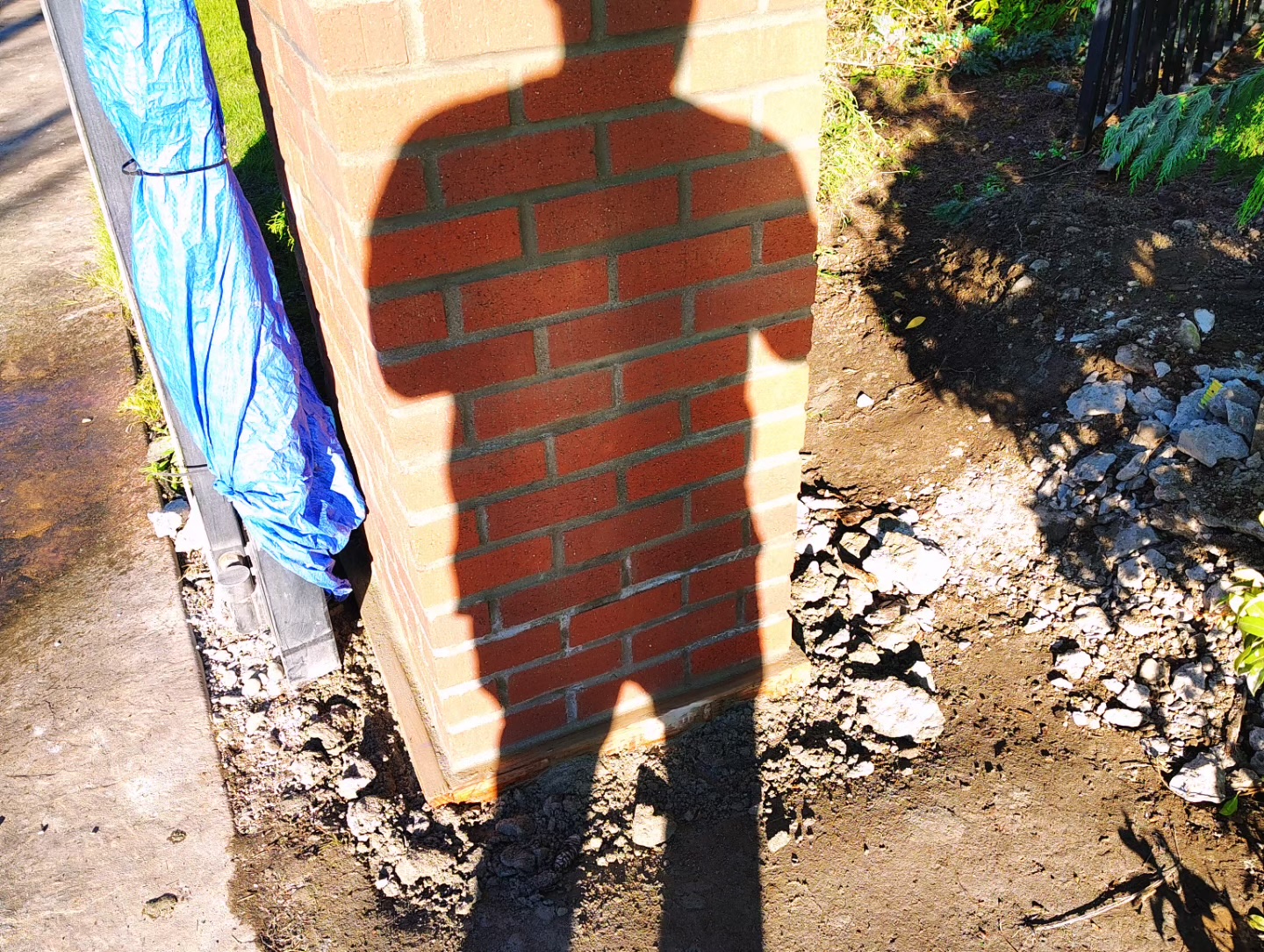
The technique works beautifully on brick that’s weathered to various shades. By using mortar colored to match the brick, we create uniform appearance while the contrasting ribbons provide visual consistency. The effect makes even 100-year-old masonry look very well maintained.
The Tuckpointing Technique
Tuckpointing requires exceptional precision and skill. After removing old mortar and cleaning joints thoroughly, we apply the first mortar layer (colored to match bricks) filling joints flush with brick faces. This requires careful color matching through custom mixing with pigments and selected sand types.
Once this first layer firms up but before it fully hardens, we cut thin grooves down the center of each joint. These grooves must be perfectly straight and uniform in depth. This is where craftsmanship becomes art, any wavering or inconsistency ruins the illusion.
Finally, we fill these grooves with contrasting mortar, usually white or cream-colored lime putty, creating thin ribbons that stand slightly proud of the surrounding mortar. When done expertly, these ribbons create the appearance of extremely fine joints separating large expanses of uninterrupted brick.
The entire effect depends on precision. Ribbons must be perfectly straight, uniform in width, and consistent in depth. This level of detail requires master masons with years of experience. Attempting tuckpointing without proper skills results in wavy, inconsistent work that looks worse than leaving joints alone.
Expert Mortar Joint Repair & Replacement for Cedar Rapids, IA
Contact us today to learn how our jointing work can help make your residence or business look better and fit your preference!
Contact Five Seasons Brick and Stone
Protect Your Investment with Professional Mortar Restoration
Your Marion home may need chimney repointing, your downtown Cedar Rapids commercial building may require front-facing tuckpointing, or your Hiawatha place may show signs of mortar deterioration.
Five Seasons Brick and Stone delivers skill and expertise that comes from years of masonry work.
We don’t rush projects or cut corners to save time. We use the right materials for your building’s age and construction. We match mortar colors accurately for seamless results. We understand Cedar Rapids’ climate challenges and build solutions that withstand decades of Iowa weather.
Don’t wait until small mortar problems become structural emergencies. Contact Five Seasons Brick and Stone today for a complete evaluation.
We’ll assess your masonry’s condition, explain exactly what’s needed, provide transparent pricing, and deliver work that protects your property for many years to come.
Your brick structure is built to last generations. Let’s make sure it does.
Get a FREE Quote!
Tuckpoint & Repoint Questions
Chimneys face harsher conditions than walls. They endure extreme temperature cycling from fires inside while exposed to severe weather outside. They’re hit by driving rain and snow from all sides rather than just one face. Heat and acidic combustion by-products attack mortar from the interior. These combined stresses cause chimney mortar to deteriorate two to three times faster than wall mortar.
Ignoring deteriorating mortar leads to progressively worse problems. Water penetrates through gaps, causing freeze-thaw damage that cracks bricks and widens joints. Interior water damage appears on walls and ceilings. Structural instability develops as joints lose binding strength. Eventually, sections of walls or chimneys can collapse. Early intervention through repointing costs a fraction of major rebuilding required after extended neglect.